Serving West/Central Wisconsin
Radon Testing
Professional radon measurement for buyers, sellers, and homeowners—clear results, real guidance, and an easy scheduling process.
Why Choose TruView Inspection
Simple, Reliable Radon Testing, From a Home Inspector You Can Trust
Radon is a naturally occurring radioactive gas you can’t see or smell. It can enter through cracks and openings in the foundation and build up indoors, especially on lower levels like basements and crawlspaces. The only way to know your home’s radon level is to test.
Why test for Radon?
Radon testing is important because radon is a colorless, odorless radioactive gas that can build up inside homes without anyone realizing it. It is the second leading cause of lung cancer overall and the leading cause among non-smokers, making it a serious health concern. Since radon cannot be seen, smelled, or tasted, the only way to know if dangerous levels are present in a home is to perform a radon test. Testing helps homeowners identify potential risks and take steps to protect the health and safety of everyone living in the home.
Reference point: The U.S. EPA recommends fixing a home if radon levels are 4.0 pCi/L or higher—and also suggests considering action between 2.0–4.0 pCi/L. Learn more from the EPA Radon Guide.
What You’ll Get
Everything You Need to Make an Informed Decision
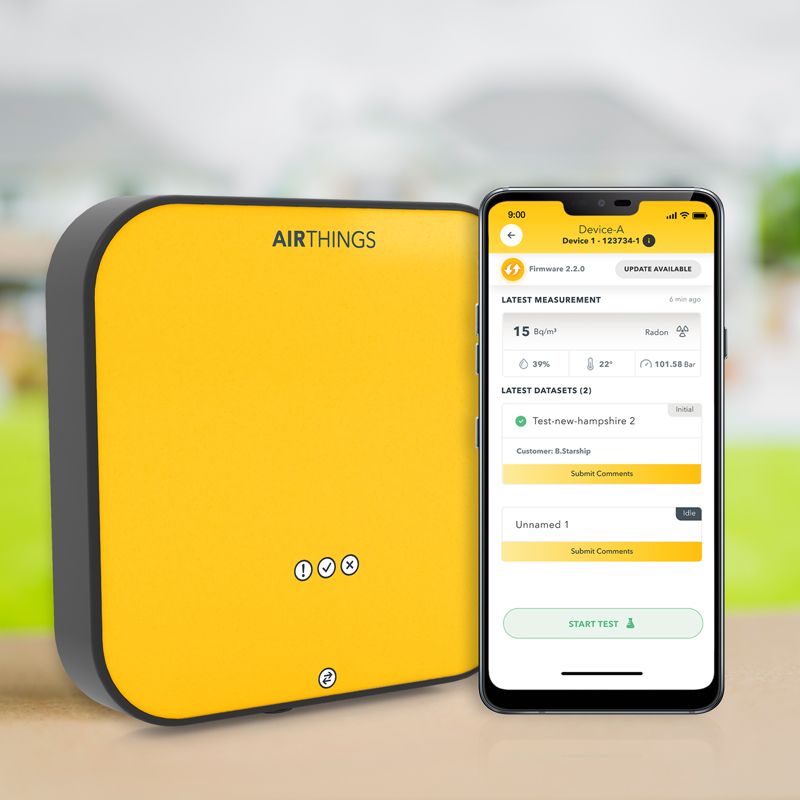
Professional Measurement
Placement and testing performed using best practices for accuracy and consistency.
Easy-to-Read Results
A straightforward report that explains your measured radon level and what it means.
Next-Step Guidance
If results are elevated, you’ll get practical recommendations for mitigation and follow-up.
How It Works
Radon Testing Process
Schedule your test
Book standalone testing or add it to your home inspection appointment.
Device placement
Placed on the lowest livable level, away from drafts, high heat, and direct sunlight.
Test period
Most real estate tests run for about 48 hours (longer tests are available if needed).
Results & report
Delivered promptly with clear explanation and next steps, if applicable.
Before the Test
Closed-House Conditions Checklist
To support accurate readings, closed-house conditions are commonly required during short-term testing. I’ll provide a simple checklist before your appointment.
- Keep windows closed (except normal entry/exit)
- Avoid running whole-house fans or window fans
- Operate heating/cooling normally
- Do not move or disturb the device
Understanding Results
What Does “pCi/L” Mean?
Radon is measured in pCi/L (picocuries per liter). If your result is elevated, it doesn’t mean the home is “bad”—it means mitigation may be recommended. Mitigation systems are common and often very effective.
EPA action guidance: fix at 4.0 pCi/L or more; consider reducing between 2.0–4.0 pCi/L.
FAQ
Radon Testing Questions
How long does the test take?
Can I do radon testing any time of year?
Where do you place the device?
What if the home already has a mitigation system?
Is radon testing included with the home inspection?
Schedule Your Radon Test
Get clear answers—quickly and professionally.
Call or text 715-299-0258 or email dan@truviewinspection.com. Prefer online scheduling? Use the booking link here.